Beware of scammers impersonating our brand.This is our only official website.

Key takeaways
- Underdosing is the most common form of counterfeit gear, so a product that looks real can still be fake inside the vial.
- Labels, holograms and batch codes are useful first checks, but counterfeiters copy them, so treat them as clues rather than proof.
- Independent lab testing through GC-MS or LC-MS analysis is the only reliable way to confirm what is actually in a product.
- Domestic US sourcing shortens the supply chain and removes the long overseas transit where tampering and repackaging happen.
- If you receive a suspected fake, stop using it, document everything and contact your supplier for a replacement or refund.
To spot fake steroids, check the packaging, holograms and batch codes for errors, then verify the actual contents through independent lab testing. Visual inspection catches the clumsy counterfeits, but underdosed or mislabeled gear often looks identical to the real thing, which is why learning how to spot fake steroids also means knowing when to test rather than trust.
Counterfeiting is not a niche problem. The World Health Organization estimates that at least 1 in 10 medicines in low- and middle-income countries are substandard or falsified, and countries spend an estimated US$30.5 billion per year on these products. Unregulated anabolic steroids sit entirely outside any quality system, so the risk of getting something fake, contaminated or underdosed is meaningfully higher than it is for approved medicines.
Common Signs of Underdosed or Fake Gear
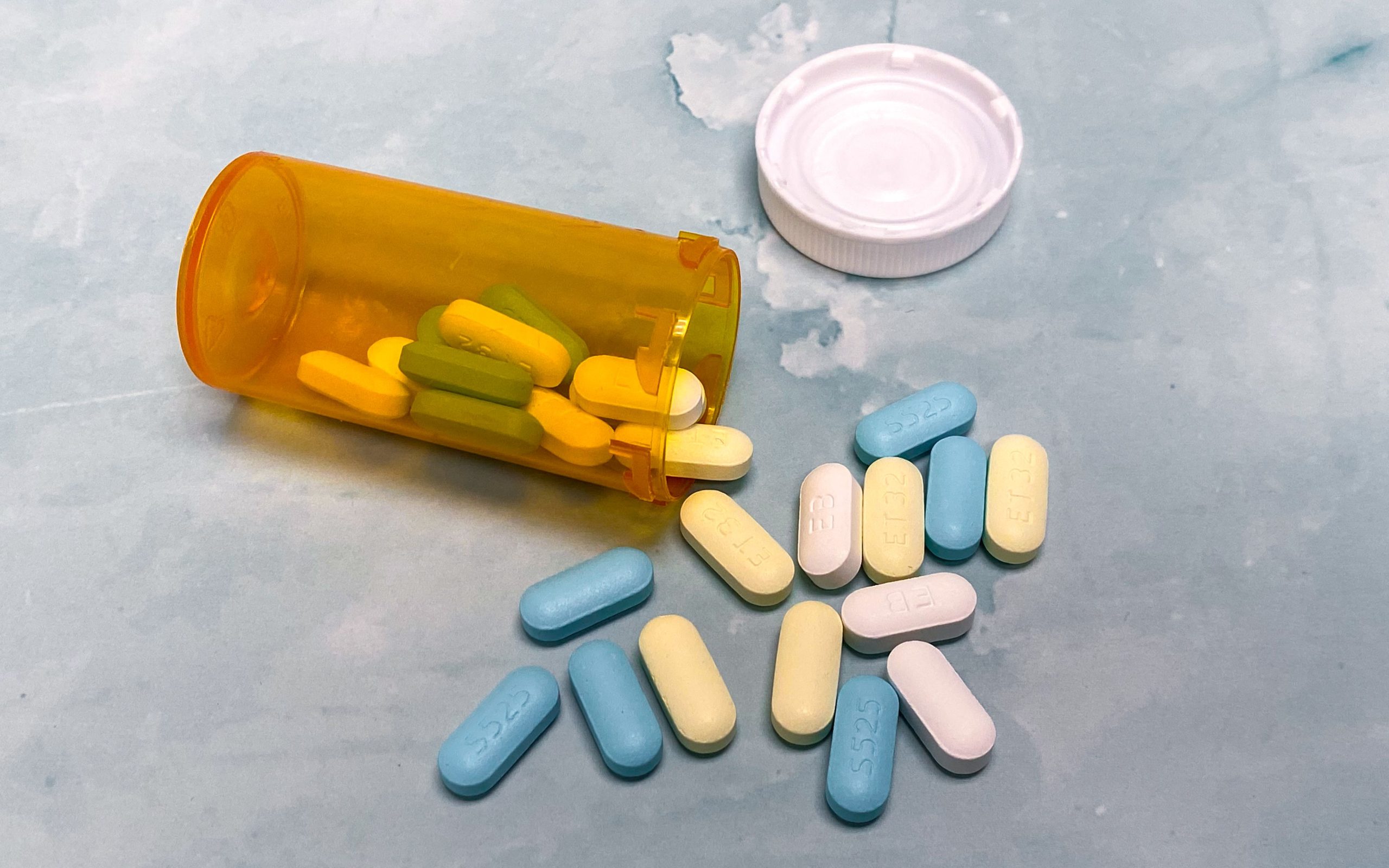
The most common counterfeit is not an empty vial. It is a real-looking product that contains too little active hormone, the wrong compound, or a cheaper substitute. Underdosing is attractive to counterfeiters because it is hard to detect and still produces mild effects that keep buyers from complaining.
Watch for these practical warning signs:
- Results that do not match the dose. If a well-run cycle produces almost nothing, underdosing is a likely explanation.
- Unusual pain, swelling or redness at an injection site. This can point to contamination, poor sterility or an incorrect carrier oil.
- Oil that looks cloudy, discolored or full of floating particles. Properly made injectables are clear and consistent.
- Tablets that crumble, vary in size or have an off smell. Legitimate orals are uniform and pressed cleanly.
- A price that is far below the market. Deeply discounted gear is often diluted or fake.
None of these signs is conclusive on its own. A clean-looking vial can still be underdosed, and a slightly imperfect tablet can still be genuine. Treat them as prompts to investigate further, not as a verdict.
If you are new to cycling and still learning what a normal response feels like, our First Steroid Cycle: A Beginner's Guide explains realistic timelines so you can judge whether weak results come from the protocol or the product.
Checking Labels, Holograms and Batch Codes
Packaging is your first checkpoint, and it catches the lazy fakes. Legitimate pharmaceutical products use layered authentication: a visible hologram, a unique serial or batch code, and often a scratch-off verification code that links to a manufacturer portal.
Here is how to read those features:
- Holograms. A genuine hologram shows depth and shifts color as you tilt it. A flat, printed-looking sticker is a red flag. Keep in mind that counterfeiters reproduce basic holograms, so appearance alone does not prove authenticity.
- Batch codes and expiry dates. On real products these are printed cleanly and consistently with the rest of the label. A date or code that looks overlaid, offset or printed in a different font suggests the original markings were covered.
- Scratch-off or QR verification. If the code leads nowhere, returns a generic page, or has clearly been used before, be suspicious. A unique code that verifies against the maker's system is a good sign.
- Print quality. Misspellings, blurry logos, uneven edges and mismatched fonts are classic counterfeit tells.
The limitation is simple: underground lab products often have no legitimate authentication to verify, and sophisticated counterfeiters copy the features that do exist. Label checks raise or lower your suspicion. They do not confirm what is inside.
Using Lab Testing Services to Verify
Testing is the only method that tells you what a product actually contains and in what concentration. Independent analytical labs use techniques such as gas chromatography-mass spectrometry (GC-MS) and liquid chromatography-mass spectrometry (LC-MS) to identify the active ingredient and measure its dose.
The process is straightforward. You submit a small sample, the lab analyzes it, and you receive a report identifying the compound and its concentration. Many harm-reduction testing programs return results through encrypted, anonymous reports and do not ask for personal information. Some public health pilots in countries like Switzerland and Australia have offered anonymous drug checking as a safety measure.
Lab testing is worth the cost in a few situations:
- When you are evaluating a new source before committing to a full cycle.
- When your results are far weaker than expected.
- When a batch looks or behaves differently from a previous one you trusted.
A single test on a new supplier's product can save you months of a wasted cycle and the health risk of injecting an unknown substance. It also matters for ancillary planning, because managing side effects depends on knowing the real dose you are running.
Why Domestic Sourcing Reduces Counterfeit Risk
Every extra step in a supply chain is another chance for a product to be swapped, diluted or repackaged. International shipments pass through more hands, sit in transit longer, and are more likely to be intercepted and reintroduced through gray-market channels. Long overseas routes are where a lot of tampering and relabeling happens.
Domestic US sourcing shortens that chain. A product that ships from within the country spends less time in transit, passes through fewer intermediaries, and reaches you closer to its original packaged state. You also get clearer recourse. When a seller operates domestically, you have a realistic path to a replacement or refund if something is wrong, rather than chasing an anonymous overseas drop-shipper.
This is where sourcing discipline pays off. Steroid-warehouse ships domestically within the United States specifically to keep the supply chain short and traceable, which removes much of the transit risk that breeds counterfeits. If you want a structured walkthrough of what safe domestic buying looks like, see our Buy Steroids Online in the USA: Safe Domestic Guide.
Shorter supply chains do not replace testing, and no sourcing method is risk-free. Domestic sourcing simply removes one of the largest and most common opportunities for counterfeiting to occur.
What to Do If You Receive Fake Product
If you believe you have received a counterfeit, act methodically rather than emotionally. Your goals are to protect your health, preserve evidence and resolve the transaction.
- Stop using it immediately. Do not inject or ingest a product you suspect is fake. The downside of an unknown substance far outweighs a missed dose.
- Document everything. Photograph the packaging, labels, batch codes and the product itself under good light. Keep your order confirmation and any messages with the seller.
- Compare against a verified reference. Match the product to known-genuine photos and verification tools where they exist. Note every difference.
- Test if you are unsure. When visual checks are inconclusive, a lab analysis settles the question and gives you documentation.
- Contact your supplier. A legitimate seller will investigate a credible counterfeit claim and offer a replacement or refund. The quality of this response tells you whether to keep buying from them.
- Dispose of it safely. If a product is confirmed fake or contaminated, discard it responsibly and do not pass it to anyone else.
A reputable supplier treats a counterfeit report as a serious problem, not an inconvenience. How a seller handles that conversation is one of the clearest signals of whether they are worth trusting with your health going forward.
Your best next step is to build a short verification routine you run on every new batch: inspect the packaging, confirm the batch code, and test any product from a source you have not used before. That habit catches far more fakes than any single check on its own, and it turns "I hope this is real" into something you can actually confirm.
Frequently asked questions
How can I tell if steroids are fake before using them?
Inspect the label, hologram and batch code for errors, compare the product against verified reference photos, and look at the oil clarity or tablet quality. These checks catch obvious fakes, but only lab testing confirms the actual contents.
Can holograms guarantee a steroid is genuine?
No. Holograms and scratch-off codes help, but counterfeiters reproduce them. A hologram should be one data point alongside batch verification and, ideally, lab analysis.
What is the best way to confirm what is really in a vial?
Send a sample to an independent analytical lab that uses chromatography and mass spectrometry. These services return the identity and concentration of the active ingredient.
Does buying domestically reduce the risk of counterfeits?
Yes. Domestic sourcing removes long international transit, reduces repackaging opportunities and gives you clearer recourse if a product is wrong.